What you should know about Word Online, DOCX files, and Microsoft Office
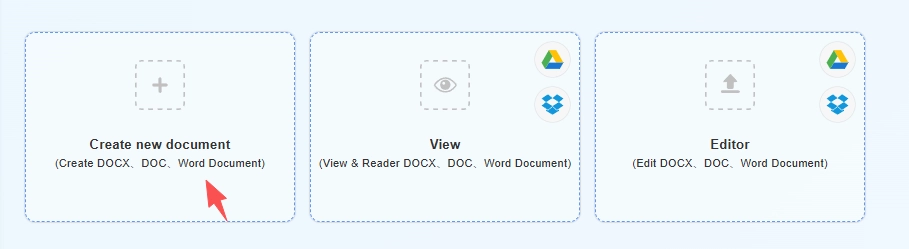
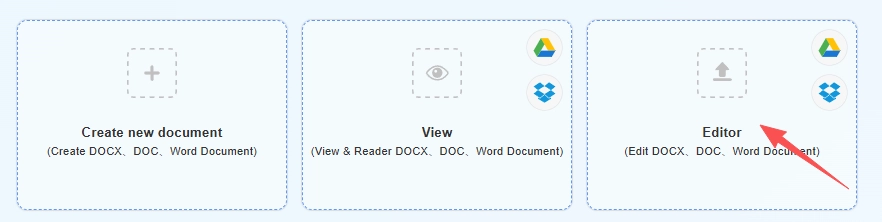
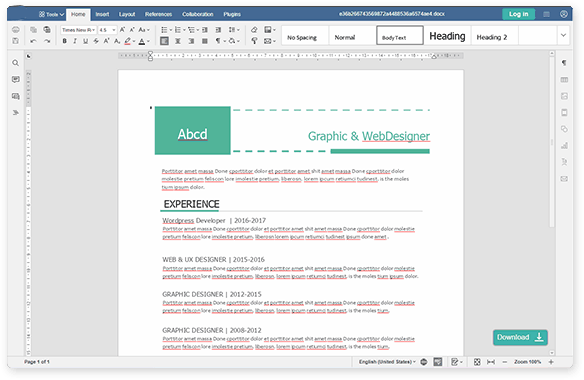
People look for Word Online, an online Word editor, or a way to edit DOCX online when they need to finish a task now—not when they want to manage installers, disks, or subscriptions. Maybe you are on a school Chromebook, a relative’s PC without Microsoft Office, or a work laptop that blocks new software. QwerPDF Word Online keeps Microsoft Word documents in the workflow you already use: open a DOCX or DOC in the browser, make changes, and download—without treating every job like a full Microsoft 365 project.
How browser-based Word editing differs from desktop Microsoft Word
Installed Microsoft Word is built for long sessions: track changes, citations, mail merge, macros, and tight links to Excel, Outlook, and the rest of Microsoft 365. A Word Online tool like QwerPDF focuses on what most daily files need—body copy, headings, lists, tables, images—and on getting you to a clean DOCX or PDF export. You trade some power-user features for speed: no waiting for a heavy app to start, no wondering whether this machine has the right Office license.
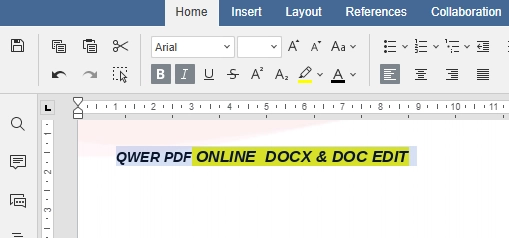
That does not mean “less serious.” Homework, meeting notes, one-page contracts, and client letters spend most of their life in standard formatting. For those jobs, edit DOCX online, save, and send—then open the same file in desktop Word later if someone needs track changes or comments.
What is a DOCX file—and why might layout look slightly different sometimes?
A DOCX file is really a small package of text and layout instructions (Open XML) stored in a zip-style container. That is why DOCX usually opens the same way in Microsoft Word, in Word for the web, and in a capable online Word tool: the format is meant to be shared. Older DOC files use a legacy binary format; they still matter for archives and older attachments, but you should always re-save important work as DOCX when you can so fonts, styles, and recovery behave predictably.
If a line breaks differently or a table width shifts, fonts are often the reason. Desktop Microsoft Word may have corporate fonts installed that the browser does not. When you view DOCX online or edit DOCX online, stick to common fonts for final handoff, or plan a quick check in desktop Word before printing or legal filing.
Practical tip: If your file relies on VBA macros, advanced form controls, or custom Word fields, finish those steps in installed Microsoft Word. QwerPDF Word Online is built for everyday DOCX and DOC content—not for every niche feature in the full Office suite.
Who benefits most from QwerPDF Word Online?
Students and teachers can open homework or handouts as DOCX on any lab machine. Remote workers can tweak a report without VPNing into a corporate image. Small businesses can export a PDF for a client without buying another Microsoft 365 seat for a shared PC. Anyone who has thought, “I just need to change two paragraphs”—but does not want to install Microsoft Office for ten minutes of work—gets a shorter path through Word Online than through a full desktop suite.
Word Online vs Word for the web (Microsoft’s browser Word)
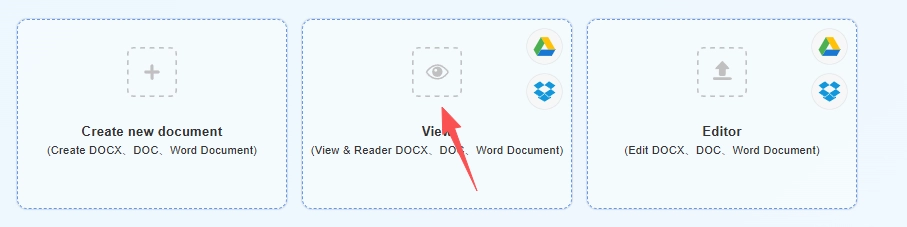
Word for the web is powerful and familiar if you already live inside Outlook, OneDrive, and a Microsoft 365 subscription. QwerPDF Word Online is aimed at people who want the file first: upload a DOCX, use Next, edit or view DOCX online, hit Download. You are not choosing a different “kind” of document—just a faster on-ramp when installing Microsoft Word or signing into Office online is not the right fit for the moment.
Handing off a file to someone who only uses Microsoft Word
Most colleagues still expect a DOCX attachment and assume they will open it in Microsoft Word. After you edit DOCX online with QwerPDF, download the DOCX, give it a clear file name (for example, Report-v2-client-ready.docx), and send it the way you normally share files. If the document uses only common fonts—Calibri, Arial, Times New Roman—recipients usually see the same line breaks you saw in the browser. If you used a rare corporate font, mention that in the email so they know to expect a quick font substitution on their side.
When the goal is “no more edits,” sending a PDF export can be safer: the layout is fixed and nobody can accidentally change a number. When the goal is “please edit this,” keep the DOCX so Word track changes and comments remain possible in their copy of Microsoft Office.
PDF or DOCX: which download should you pick?
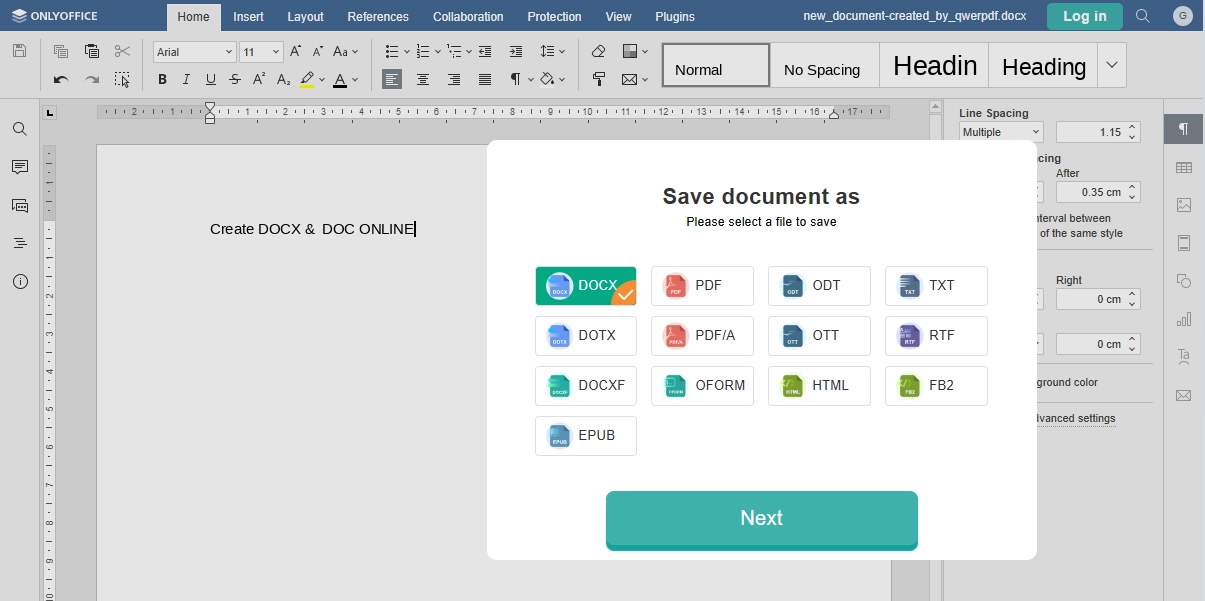
DOCX stays editable: it is the right choice when you or someone else will continue working in Microsoft Word, need to merge sections later, or care about accessibility features that live in the Word file. PDF is best for final delivery—contracts, forms that should not shift, or anything you will print. Many teams use both: a DOCX for internal drafts and a PDF for external sharing. QwerPDF Word Online supports that split as long as the live tool shows both export options for your session.
Using Word Online on a borrowed PC or shared computer
QwerPDF Word Online is built for desktop browsers on a laptop or PC—think library terminals, a colleague’s workstation, or a hotel business center where installing Microsoft Office is not an option. In those situations, opening your DOCX in the browser beats hunting for an installer or signing into someone else’s Microsoft 365 account. Use a normal-sized monitor if you can; zoom the page or collapse side panels when the window is tight, and leave complex table or image layout for when you are back on your own machine with desktop Microsoft Word if needed.
Files from Google Docs, LibreOffice, or school templates
Not every DOCX started in Microsoft Word. Files exported from Google Docs, Apple Pages, or LibreOffice are often valid DOCX, but they sometimes use styles or section breaks in unusual ways. QwerPDF Word Online is still useful: you can open the file, fix obvious issues, and export a fresh DOCX or PDF. If something looks wrong after download, open the same file once in desktop Word and use Inspect Document or style cleanup tools there—especially for long thesis or legal templates where every margin matters.
When the file looks wrong: a short checklist
If spacing or tables look off, check fonts first—missing corporate fonts are the usual cause. Next, see whether the original author used text boxes, floating objects, or multiple columns; those are harder for any online Word editor to match exactly. Third, try re-saving from Microsoft Word on a PC with full Office installed, then upload that cleaner DOCX again. Finally, for corrupted or very old DOC files, consider converting to DOCX in desktop Word before relying on any browser tool for final layout.
Safety, privacy, and smart habits
Any online Word editor should be treated with the same care as email or cloud storage: upload only files you are allowed to send to that service, and avoid confidential data if your employer says so. On the live QwerPDF site, your file is automatically removed from our servers within thirty minutes after you save or download—always read the current privacy and retention policy for the authoritative wording. This static HTML sample shows structure and copy only—it does not run the real tool.

 Tools
Tools

 Word ONLINE
 Sheet ONLINE
 Presentation ONLINE
 Create
 Document
 Sheet
Sheet
 Presentation